Good Sexual Practices for HIV Prevention
Introduction
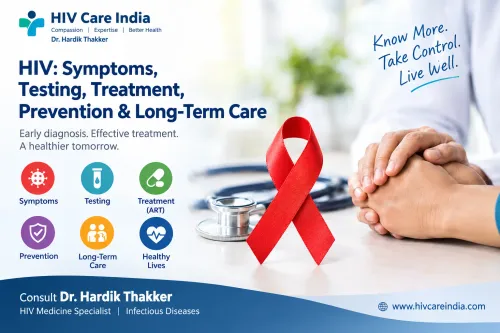
Human Immunodeficiency Virus (HIV) is a virus that weakens the immune system and can lead to Acquired Immunodeficiency Syndrome (AIDS) if untreated. HIV is mainly transmitted through unprotected sexual contact, infected blood, and from mother to child.
Practicing safe sexual behaviors can significantly reduce the risk of HIV transmission.
1. Use Condoms Consistently
Always use male or female condoms during vaginal, anal, and oral sex.
Condoms are highly effective in preventing HIV when used correctly.
Use a new condom for each act of intercourse.
2. Limit Sexual Partners
Having fewer sexual partners reduces the risk of exposure to HIV.
Mutual monogamy (both partners only having sex with each other) lowers risk when both are HIV-negative.
3. Regular HIV Testing
Get tested regularly, especially if you:
Have multiple partners
Have a new sexual partner
Encourage your partner to get tested as well.
Early detection helps in timely treatment and prevents spread.
4. Pre-Exposure Prophylaxis (PrEP)
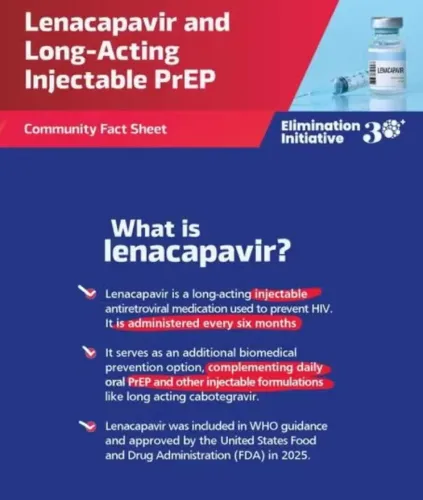
Pre-Exposure Prophylaxis (PrEP) is a daily medication for people at high risk.
When taken regularly, it can reduce the risk of getting HIV through sex by up to 99%.
Consult a healthcare provider to see if PrEP is right for you.
5. Post-Exposure Prophylaxis (PEP)
Post-Exposure Prophylaxis (PEP) is taken after possible exposure to HIV.
Must be started within 72 hours of exposure.
Available at our clinic, hospitals and emergency services.
6. Avoid Risky Behaviors
Avoid unprotected sex.
Do not share needles or syringes.
Avoid alcohol or drugs that may impair judgment and lead to unsafe sex.
7. Treatment and Viral Suppression
People living with HIV can take antiretroviral therapy (ART).
Effective treatment can reduce the virus to undetectable levels.
“Undetectable = Untransmittable (U=U)” means the risk of sexual transmission is extremely low.
8. Prevention of Mother-to-Child Transmission
Pregnant women should get tested for HIV.
Early treatment greatly reduces the risk of passing HIV to the baby.
9. When to Seek Medical Help
Consult a healthcare provider if:
You think you have been exposed to HIV
You experience symptoms like:
Fever
Weight loss
Persistent infections
You need advice on testing, PrEP, or PEP
For more details visit us at our clinic.
Keywords