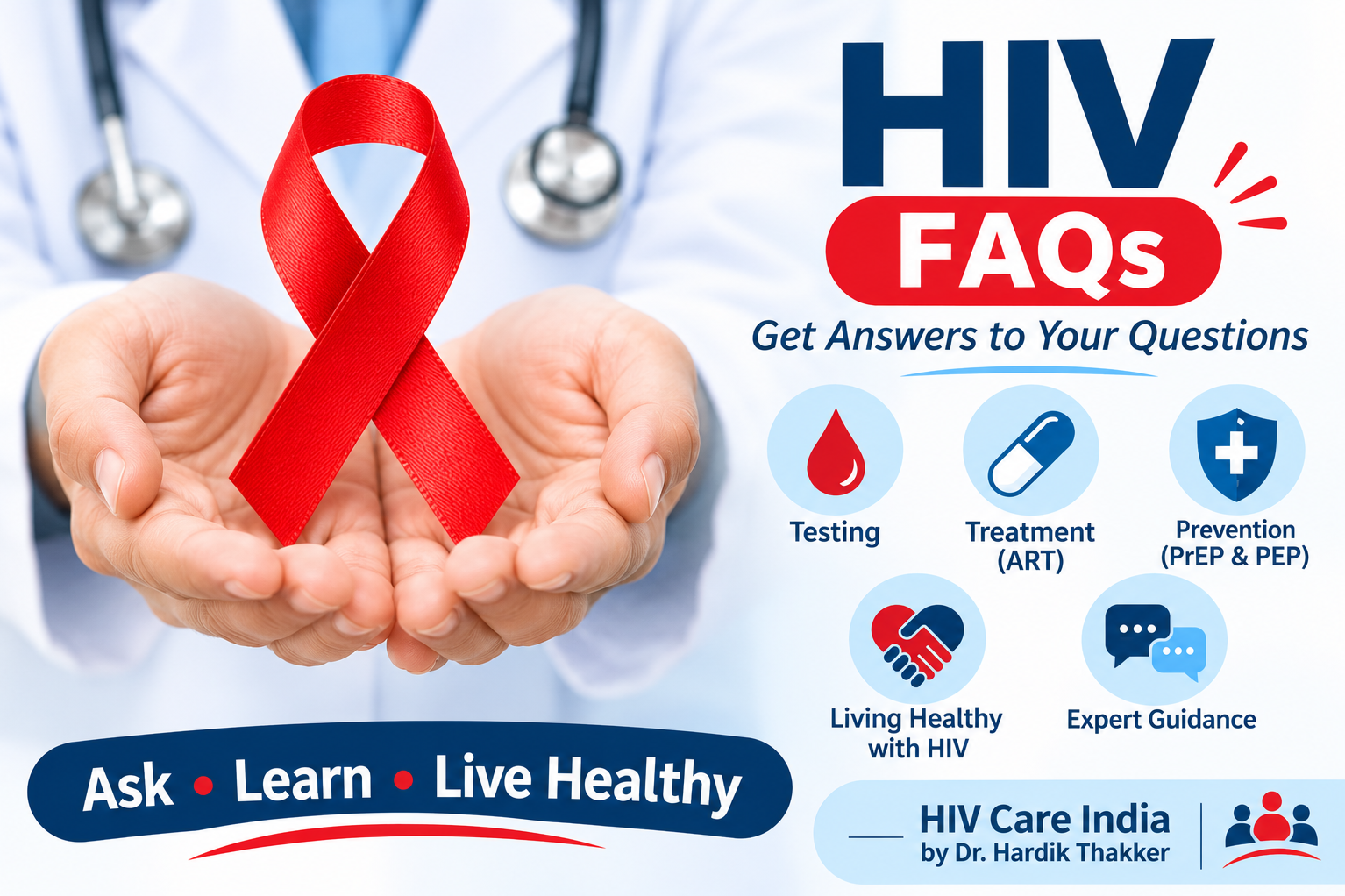
HIV (Human Immunodeficiency Virus) is a virus that attacks the body's immune system, particularly CD4 cells, which help fight infections. With proper treatment and regular monitoring, people living with HIV can lead long and healthy lives.
1. What is HIV?
2. What are the early symptoms of HIV?
Early HIV symptoms may include fever, sore throat, headache, skin rash, swollen lymph nodes, muscle pain, night sweats, and fatigue. Some people may not experience any symptoms. HIV testing is the only reliable way to confirm infection.
3. How does HIV spread?
HIV can spread through infected blood, semen, vaginal fluids, rectal fluids, and breast milk. Common transmission routes include unprotected sexual contact, sharing contaminated needles, and transmission from mother to child during pregnancy, childbirth, or breastfeeding.
4. Can HIV spread through kissing, hugging, or sharing food?
No. HIV does not spread through hugging, handshakes, sharing food, drinking water, using common toilets, or ordinary social contact.
5. How soon can HIV be detected after exposure?
The detection period depends on the type of HIV test:
NAT (RNA) test: Usually 10–33 days.
Laboratory 4th-generation antigen/antibody test: Usually 18–45 days.
Antibody test: Usually 23–90 days.
Testing too early may produce a negative result despite infection. Repeat testing may be necessary depending on the test used and exposure date.
6. Which is the most accurate HIV test?
Laboratory-based fourth-generation HIV antigen/antibody testing is commonly used for screening. HIV RNA testing may help detect early infection in selected cases. Reactive screening results require further testing according to the recommended diagnostic algorithm.
7. Can HIV be completely cured?
Currently, there is no widely available cure for HIV. However, Antiretroviral Therapy (ART) can effectively suppress the virus, protect the immune system, and help people living with HIV maintain good health.
8. What is ART treatment for HIV?
Antiretroviral Therapy (ART) is a combination of medicines used to control HIV infection. It prevents the virus from multiplying, reduces viral load, and helps protect the immune system. ART should be taken consistently as prescribed.
9. Can a person with HIV live a normal life?
Yes. With early diagnosis, regular ART medication, and appropriate medical care, people living with HIV can enjoy a healthy and active life, maintain relationships, work, and pursue their personal goals.
10. What is an undetectable viral load?
An undetectable viral load means the amount of HIV in the blood has been reduced to a level below the detection limit of the test. People who maintain an undetectable viral load through ART do not sexually transmit HIV. This is known as U=U (Undetectable = Untransmittable).
11. What is the difference between HIV and AIDS?
HIV is a virus that attacks the immune system, whereas AIDS is the most advanced stage of HIV infection. Not everyone with HIV develops AIDS. Consistent ART treatment can prevent progression to advanced HIV disease.
12. What should I do after possible HIV exposure?
Seek medical attention immediately. Post-Exposure Prophylaxis (PEP) is emergency medication that may help prevent HIV infection after a potential exposure. It should be started as soon as possible, ideally within 24 hours and no later than 72 hours after exposure.
13. What is PEP treatment?
PEP (Post-Exposure Prophylaxis) is a short course of antiretroviral medication taken after possible HIV exposure. The standard course is 28 days. Medical evaluation and follow-up HIV testing are essential.
14. What is PrEP, and who should take it?
PrEP (Pre-Exposure Prophylaxis) is preventive HIV medication taken by HIV-negative individuals before potential exposure. It may be recommended for people who have an increased risk of acquiring HIV. Medical assessment and regular HIV testing are required.
Keywords