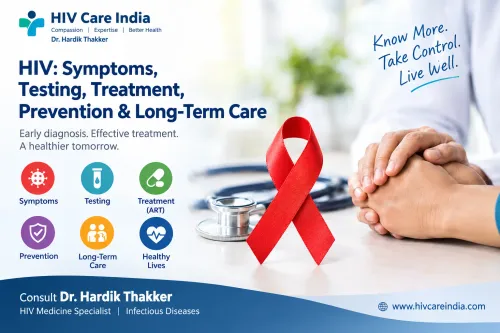
Vaccination is an important part of preventive healthcare for **people living with HIV (PLHIV)**. HIV can affect the immune system, making certain infections more likely to cause serious illness. Staying up to date with recommended vaccines can help reduce the risk of vaccine-preventable diseases.
## Why Are Vaccines Important for People Living with HIV?
People living with HIV may have a higher risk of complications from certain infections. Vaccination can provide protection against diseases such as influenza, hepatitis, pneumococcal disease, and HPV-related infections.
The appropriate vaccination schedule depends on factors such as **age, CD4 count, HIV viral load, previous vaccination history, medical conditions, and current medications**.
## Commonly Recommended Vaccines
Depending on individual circumstances, a healthcare professional may recommend:
* **Influenza vaccine** – generally given annually.
* **Pneumococcal vaccines** – recommended according to current age- and risk-based schedules.
* **Hepatitis B vaccine** – particularly important for people who are not already protected.
* **Hepatitis A vaccine** – recommended for certain people based on risk factors.
* **HPV vaccine** – may be recommended according to age and individual risk.
* **Tdap/Td vaccines** – for protection against tetanus, diphtheria, and pertussis.
* **Meningococcal vaccine** – may be recommended for specific age groups or risk situations.
* **COVID-19 vaccination** – according to current public-health recommendations.
## Live Vaccines: Special Consideration
Some vaccines contain live, weakened organisms. These vaccines may not be appropriate for people with significant immune suppression.
Examples include certain formulations of **measles-mumps-rubella (MMR), varicella, and other live vaccines**.
Whether a live vaccine can be given depends on the person's immune status, particularly their CD4 count and overall clinical condition. **Never receive a live vaccine without discussing it with your HIV specialist or healthcare provider.**
## When Is the Best Time to Get Vaccinated?
Vaccination can generally be given while a person is receiving HIV treatment. When possible, healthcare providers may consider the person's immune status and HIV treatment response when planning vaccination.
Starting and maintaining **antiretroviral therapy (ART)** is also important because effective HIV treatment helps restore and maintain immune function.
## Important Precautions
People living with HIV should:
* Keep a record of all previous vaccinations.
* Discuss vaccination plans with their HIV specialist or doctor.
* Follow the recommended vaccine schedule for their age and health status.
* Avoid self-administering vaccines without professional advice.
* Inform their healthcare provider about current medications and medical conditions.
* Seek medical advice if they develop an unusual or severe reaction after vaccination.
## Final Takeaway
Vaccination is an important component of comprehensive healthcare for people living with HIV. The right vaccines and timing are **individualized**, so it is important to consult an HIV specialist or qualified healthcare professional before starting or updating a vaccination schedule.
**Regular HIV care + effective ART + appropriate vaccination + routine health screening can help support long-term health and well-being.**
For consultation or Immunization & Vaccination Guide book an appointment on 08042752572
HIV Specialist in Mulund
HIV Specialist in Thane
HIV Specialist in Airoli
HIV Specialist in Bhandup
Keywords